

Getting a dental crown in our Media, PA, office is a big step toward restoring your smile and protecting a damaged tooth. Whether your crown is made of porcelain, metal, resin, or ceramic, proper aftercare ensures its longevity and your mouth’s health. While the procedure itself is straightforward, the care you give your new crown in the days and weeks following placement can make all the difference.
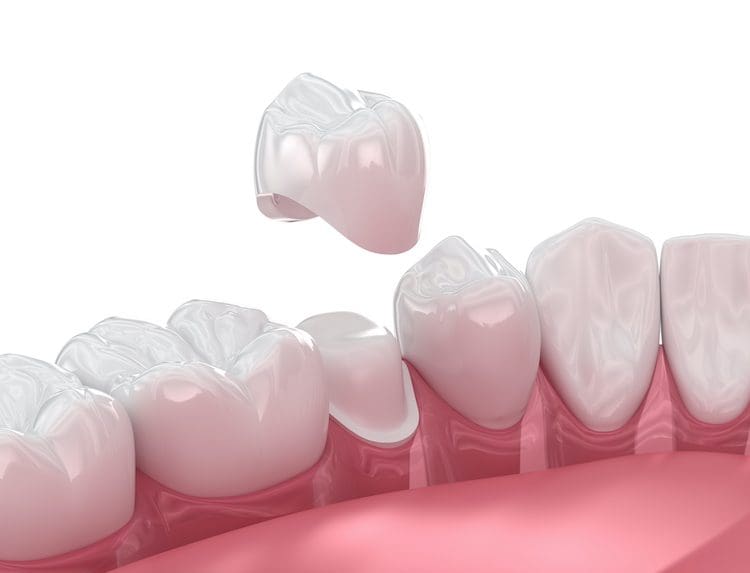
How to Care for A Crown
You can do multiple things to maintain one or more dental crowns. While it’s easy to care for a crown, you need to keep some tips in mind.
Be Gentle in the First 24 Hours
The first day after receiving a new dental crown is critical for initial healing and crown stabilization. If our dentist used a temporary adhesive or if you feel residual soreness, avoid chewing on the side of your mouth where the crown was placed. Your gums may be tender or slightly inflamed, and the tooth itself might be a bit sensitive. Give your mouth a chance to adjust by sticking to soft foods and avoiding anything hot, cold, or sticky.
Watch for Sensitivity
It’s common to experience some tooth sensitivity after a crown placement when you consume hot or cold foods and drinks. This is often due to the enamel being trimmed during the crown procedure or the proximity of the crown to the nerve. Desensitizing toothpaste can help, and we might recommend using a fluoride rinse or gel.
If sensitivity worsens or doesn’t go away after a few weeks, schedule a follow-up appointment. We want to make sure everything is properly fitted and there are no complications.
Maintain Excellent Oral Hygiene
A crowned tooth still needs regular care. Although the crown itself cannot decay, the tooth structure beneath it can, particularly near the gumline. Continue to brush twice daily with a soft-bristled toothbrush and floss once a day to keep your crown and surrounding teeth healthy.
Be sure to gently floss around the crown to remove plaque buildup without dislodging or irritating the area. Antibacterial mouthwash can also reduce bacteria levels and keep your gums in good condition.
Be Mindful of Your Diet
While modern crowns are strong and designed to handle normal biting forces, they aren’t indestructible. Avoid chewing on hard objects like ice, hard candies, pens, or fingernails, as this can crack or chip your crown. Sticky foods like caramel or chewing gum can pull at the crown, especially in the early days after placement. If you tend to clench or grind your teeth, particularly at night, talk to your dentist about getting a night guard. This can help prevent excessive pressure on the crown and protect it from premature wear.
Check Your Bite
After your crown is placed, your bite should feel natural. However, sometimes a crown may be slightly too high, causing discomfort when chewing or even jaw pain. If your bite doesn’t feel right, don’t wait for it to “settle.” Contact your dentist to make a quick adjustment. Leaving a high crown unaddressed can lead to more serious dental issues, including cracked teeth or temporomandibular joint (TMJ) problems.
Schedule Regular Dental Checkups
Crowns can last anywhere from five to fifteen years or more. It all depends on the material used and how well they are maintained. Regular dental checkups and cleanings are vital for monitoring the condition of your crown and the health of the surrounding teeth and gums. Your dentist will check for signs of wear, decay at the margins, or potential gum issues that could affect the crown’s stability.
Know When to Call Your Dentist
If your crown becomes loose, falls off, or you experience persistent pain or swelling, don’t delay in contacting your dentist. Prompt attention can prevent further complications and may even save the crown from needing replacement.
Dr. Gregory Hillyard and Dr. Alexandra Hillyard Monroe are dedicated to helping you preserve your natural tooth structure. If you have deep decay or damage, a dental crown could prevent the need for extraction. Contact their office today to schedule a consultation and learn more about how to care for your dental restorations.